MUMBAI, INHeadquarters
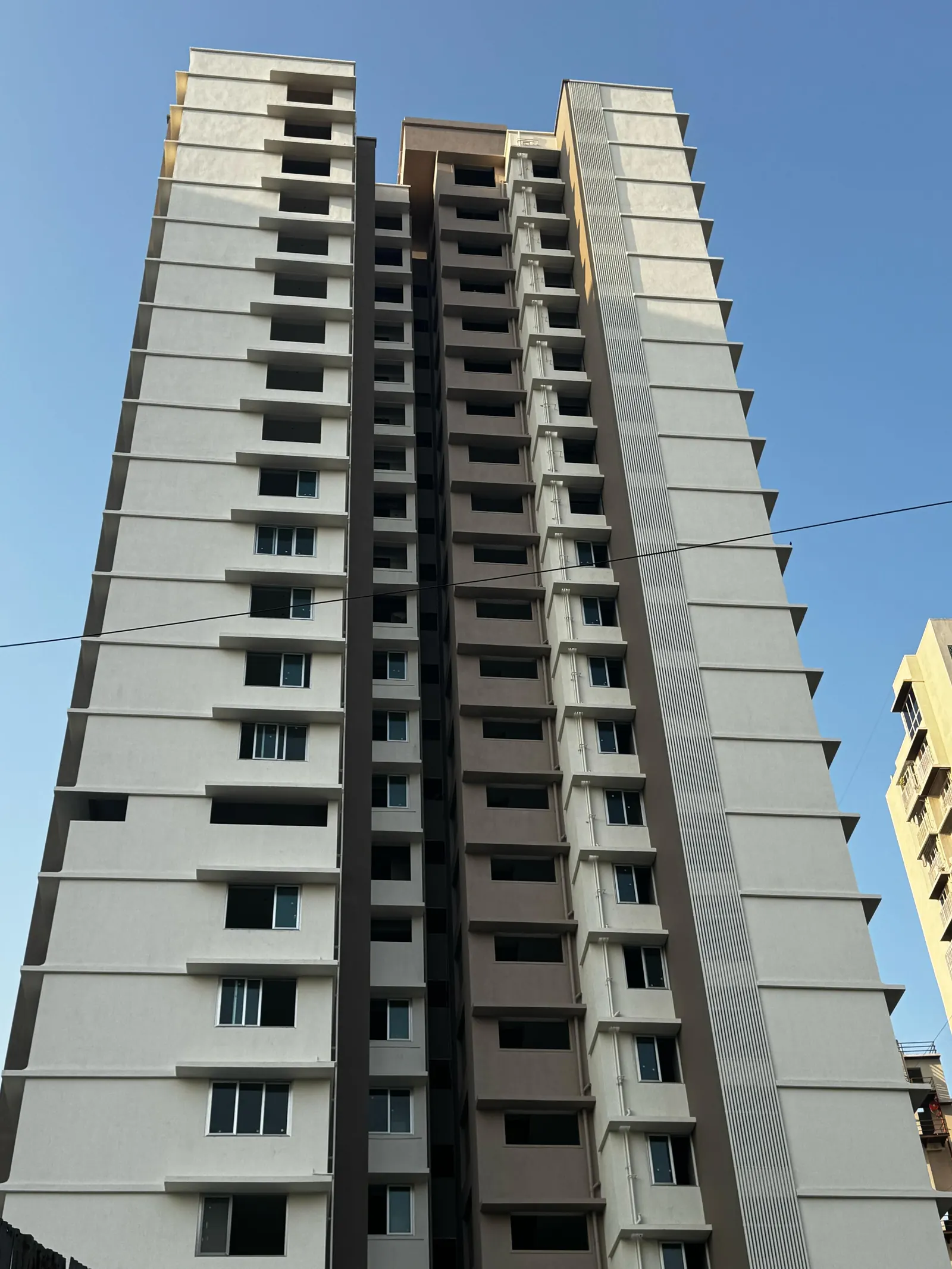
In the competitive landscape of Indian commercial real estate, specifically IT Parks in Bangalore, Hyderabad, and Pune, the **Energy Performance Index (EPI)** is the new global currency. The goal: **Net-Zero.** The tool: **Passive Shading.**
Most modern IT parks are "Glass Boxes." While aesthetically pleasing, they are thermodynamic nightmares. When solar radiation hits a glass facade, it enters as short-wave radiation. Once it reflects off internal surfaces, its wavelength changes to long-wave (infrared), which cannot pass back through the glass. This is the **Greenhouse Effect** in a literal sense.
Internal "Active Cooling" (HVAC) is a reactive solution. It attempts to remove the heat *after* it has already entered the building. **Passive Shading** is the proactive alternative.
By intercepting the solar radiation 150mm *outside* the thermal envelope using Avantra uPVC fins, we stop the heat before it starts. Because uPVC has a near-zero thermal retention capacity, the fins themselves don't become a heat sink. The air between the fin and the glass remains at ambient temperature, drastically reducing the Delta-T across the glazing.
.webp&w=1600&q=75)
Engineering Excellence: Passive thermal regulation with architectural UPVC fins
A high-performance DGU (Double Glazed Unit) typically has an SHGC of around 0.25. While good, it still allows 25% of the solar energy to pass through.
By layering Avantra's architectural louvers over the glazing, we can effectively reduce the **Composite SHGC** to as low as **0.12**. This is a radical improvement that allows architects to use larger glass areas without compromising the building's energy rating.
Our design process involves creating a **Digital Twin** of your project and running hourly solar-trace simulations for every day of the year. This allows us to optimize the pitch, depth, and angle of the fins to ensure 100% shade coverage during peak heat hours (11 AM to 4 PM) while maximizing natural daylighting during the morning and evening.
shading is only half the battle. Heat must also be dissipated from the surface of the facade. Avantra's louver profiles are aerodynamically optimized to leverage the **Venturi Effect**.
As wind passes through the pitch between the fins, its velocity increases, creating a localized low-pressure zone. This pressure differential "sucks" the stagnant, hot air away from the glass surface, facilitating constant natural convection.
This "washing" of the facade with airflow prevents the buildup of a thermal boundary layer, further enhancing the insulation properties of the system. In IT Parks with high internal heat loads (due to servers and dense occupancy), this external convective cooling is a critical secondary benefit.
We don't just supply products; we supply data. Every project at Avantra begins with a **Computational Design Phase**. Using Rhino and Grasshopper, we model the sun-path specific to your site's GPS coordinates.
This allows us to generate a **Variable Pitch Facade**—where the spacing of the louvers changes based on the solar exposure of each specific floor. This hyper-optimization ensures that you aren't over-designing where shade isn't needed, and you aren't under-shading where solar gain is highest. The result is a facade that is a perfect biological response to its environment.
Energy isn't the only cost in an IT Park; **Human Capital** is the most expensive asset. Harsh direct sunlight causes screen glare and localized "Hot Spots," forcing employees to pull down internal blinds.
This disconnects workers from the external environment and necessitates the use of 100% artificial lighting, which is known to decrease cognitive performance and increase fatigue.
Avantra's fins provide **Diffused Daylighting**. They block the high-angle, harsh glare while allowing soft, ambient light to penetrate deep into the floor plate. This maintains the "Outdoor Connection" for employees while stabilizing the internal luminous environment. Studies show that occupants in well-shaded, naturally lit environments report **15% higher productivity** and significantly lower absenteeism.
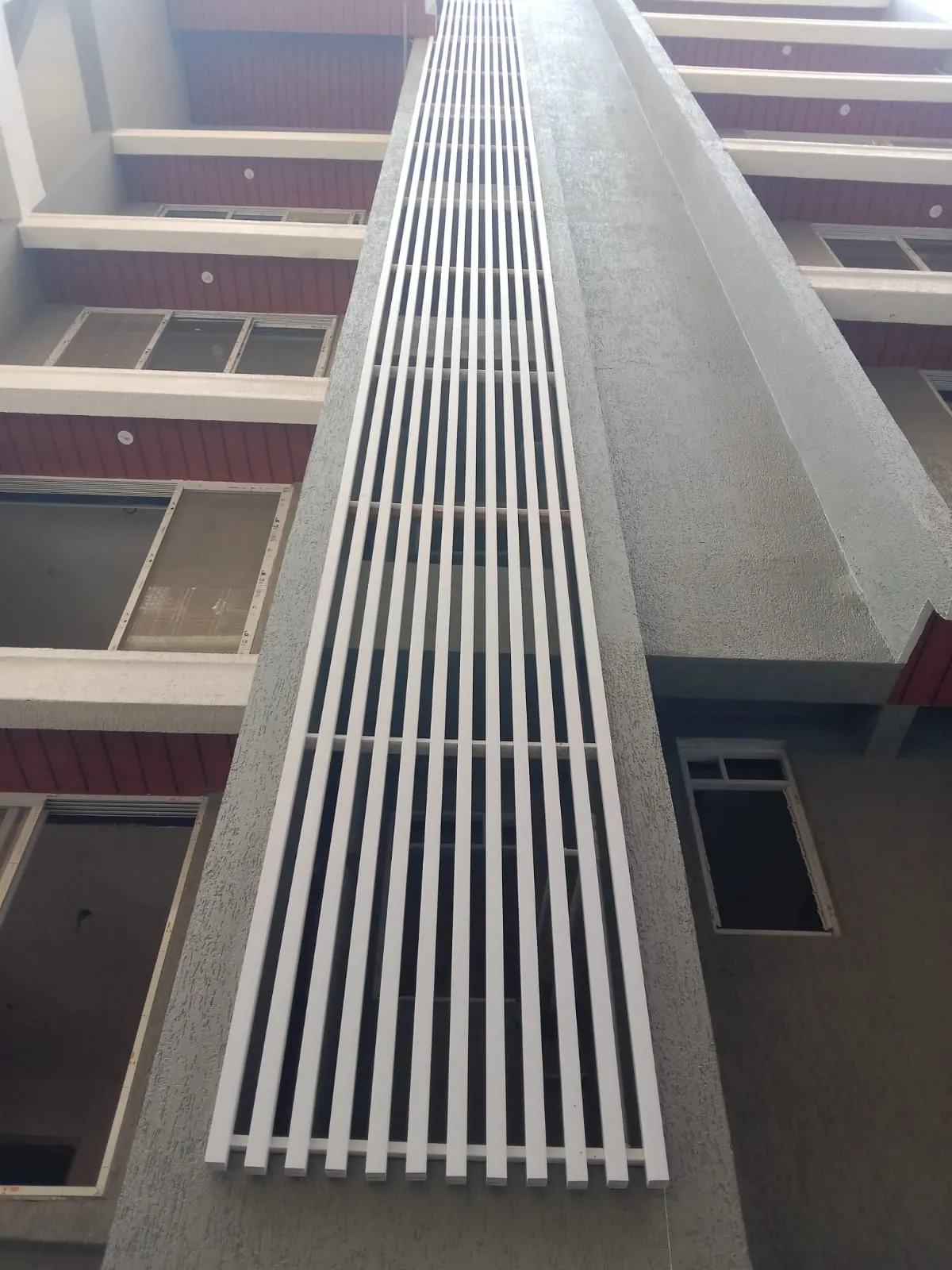
Performance Metric: Daylight diffusion with engineered UPVC shading
Achieving LEED Platinum or GRIHA 5-Star ratings is no longer just about prestige; it's about the valuation of the real estate asset. Institutional investors and REITs prioritize buildings with high-tier green certifications.
Avantra systems contribute directly to the most point-heavy categories: 1. **Optimize Energy Performance (EA)**: Up to 18 points. 2. **Indoor Environmental Quality (IEQ)**: Thermal comfort and daylighting credits. 3. **Innovation in Design**: Utilizing passive technologies for radical efficiency.
We provide the full documentation package, including thermal simulation reports and material data sheets, to ensure your project's certification process is seamless and data-backed.
In a recent 500,000 sqft IT SEZ in Hyderabad, the implementation of Avantra vertical fins allowed the mechanical engineer to reduce the central chiller capacity from 1,200 TR to 900 TR.
This **300 TR reduction** saved the developer approximately ₹1.8 Crores in initial equipment costs (CAPEX) and reduced the building's annual electricity consumption by over 400,000 kWh. The facade system didn't just pay for itself; it became a profit center from the day the building opened.
Passive thermal regulation is the foundation of the modern smart building. By decoupling the facade from the solar load, Avantra provides the technical infrastructure needed for IT Parks to reach the next level of energy excellence and occupant well-being.
Consult with our expert team to integrate IS-875 wind-load compliance and passive thermal shading into your next project.